
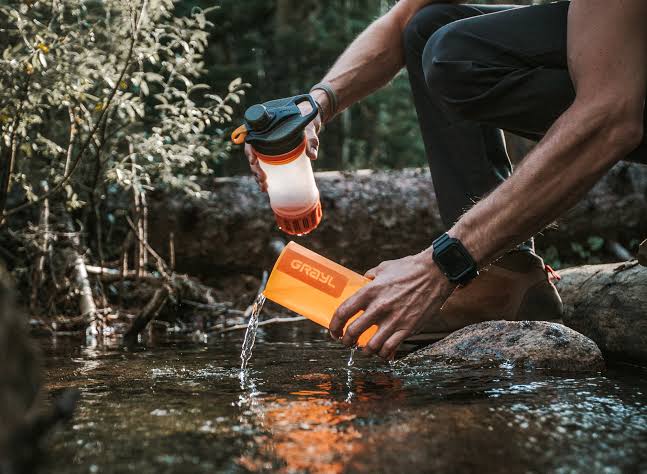
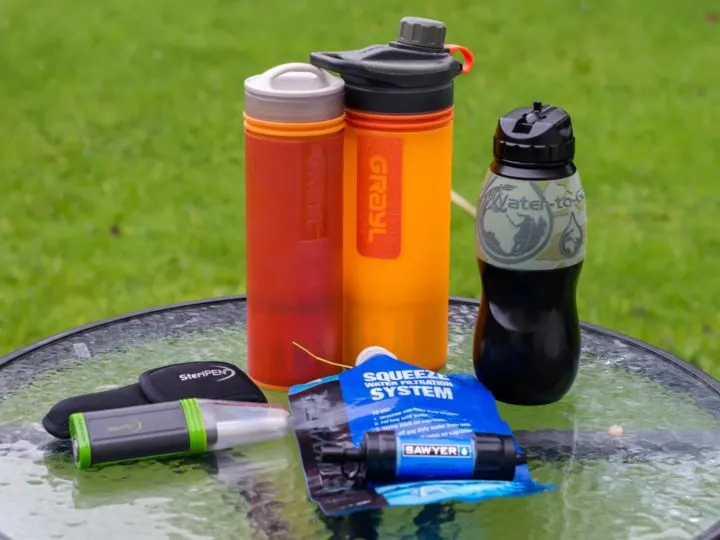
There is obviously a lot of value in carrying a portable water filter with you when in the outdoors for the obvious reason associated with that idea. But is it required at home, or office, or any other day to day environments in this country. Filtering tap water in South Africa is important to address aging municipal infrastructure. Variable water treatment efficacy, and the presence of residual chlorine, sediment, and harmful pathogens.
Infrastructure and Safety Challenges
- Aging Municipal Systems: Many local water treatment works and pipe networks suffer from maintenance backlogs. This leads to rust, dirt, and sediment entering the supply.
- Bacteriological Risks: Failures in local sanitation or treatment can introduce pathogens like bacteria and parasites. Making point-of-use filtration an important safety barrier.
- Chemical Residues: Heavy chlorination used to disinfect municipal water leaves behind strong chemical tastes, odors, and disinfection byproducts.
Practical and Health Benefits
- Better Taste and Odor: Carbon filters successfully strip out unpleasant chlorine tastes and organic smells. Making everyday tap water much more enjoyable to drink.
- Protection from Impurities: Quality filters reduce heavy metals from old pipes and trap microscopic debris that bypasses standard municipal treatment.
- Cost and Sustainability: Using a home system provides safe water at a fraction of the cost of bottled water while cutting down on single-use plastic waste.
For municipal water in the Gauteng region, a multi-stage system focusing on physical sediment and chemical removal is the best setup.
- Stage 1: Polypropylene Sediment Filter (5-micron): Acts as a barrier against the heavy rust and brown sediment common in Gauteng taps after localized water outages.
- Stage 2: Activated Carbon Block (CTO): Targets the chemical taste, effectively stripping away municipal chlorine odors and taste compounds.
- Stage 3: Ultrafiltration (UF) or Carbon Polishing: Provides final clearing of organic trace compounds and fine sediment without stripping away beneficial naturally occurring minerals.
Herewith some local indication of municipal water, i.e. a more specific area.
Municipal Water in Centurion (as an example)
Municipal water in Centurion is supplied by the City of Tshwane via Rand Water bulk infrastructure. While the bulk water received is treated thoroughly, localized infrastructure challenges make point-of-use home filtration highly recommended.
Local Water Risks in Centurion
- Frequent System Restarts: Regular planned upgrades, system maintenance. Infrastructure repairs (such as at The Reeds Reservoir and Highveld) lead to frequent line closures. When dry pipes re-pressurise, built-up rust, dirt, and sediment dislodge from the pipe linings and flow straight out of your household taps.
- Contamination from Pipe Breaks: Vandalism and bursts along local connection lines can introduce external soils and groundwater contaminants into the drinking line before it reaches your home.
- Chlorine Aftertaste: To combat biological risks over long pipeline distances. Municipal water is heavily dosed with chlorine, causing a chemical smell and taste.
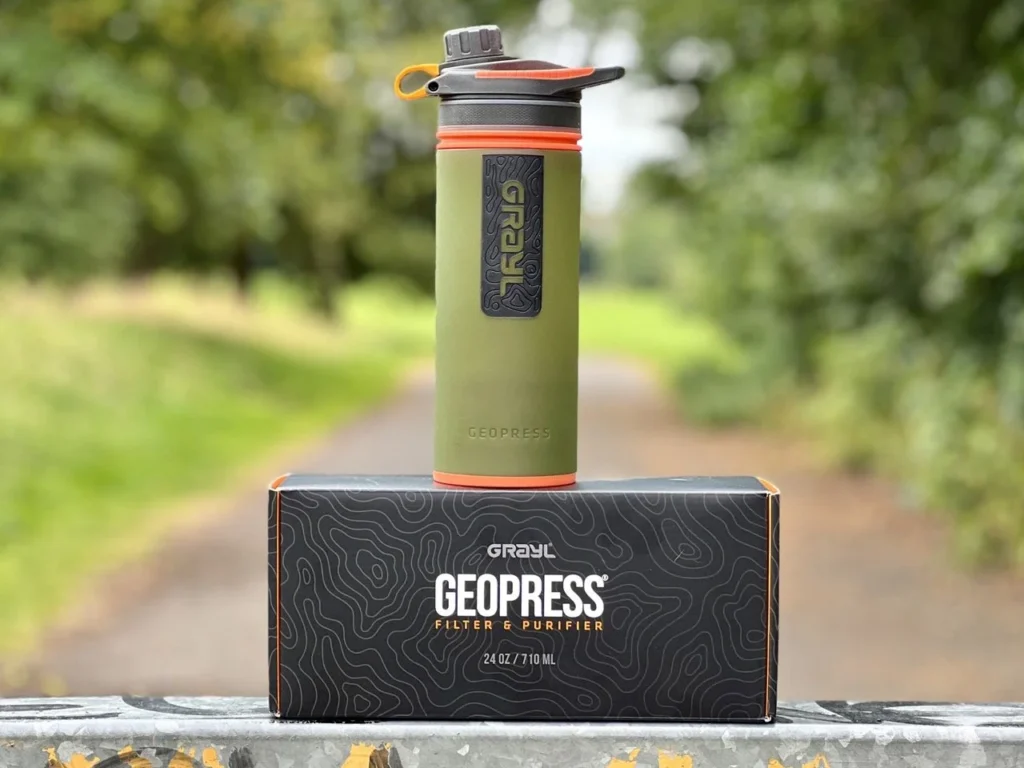
Although a household purifier is a great idea looking at the stats mentioned here. A portable water filter has its clear advantages. Being portable you can take it with you to the office, holiday, a day outdoors, shopping. Plus get water from almost any source for you, the family and even your pets.
Note: If you rely on emergency municipal water tankers during prolonged infrastructure outages. Using a filter system with an advanced micro-filter or a disruptor filter is advised to eliminate opportunistic bacteria.
Water Purifiers Stocked by EDCS
- GRAYL Geopress – various colors
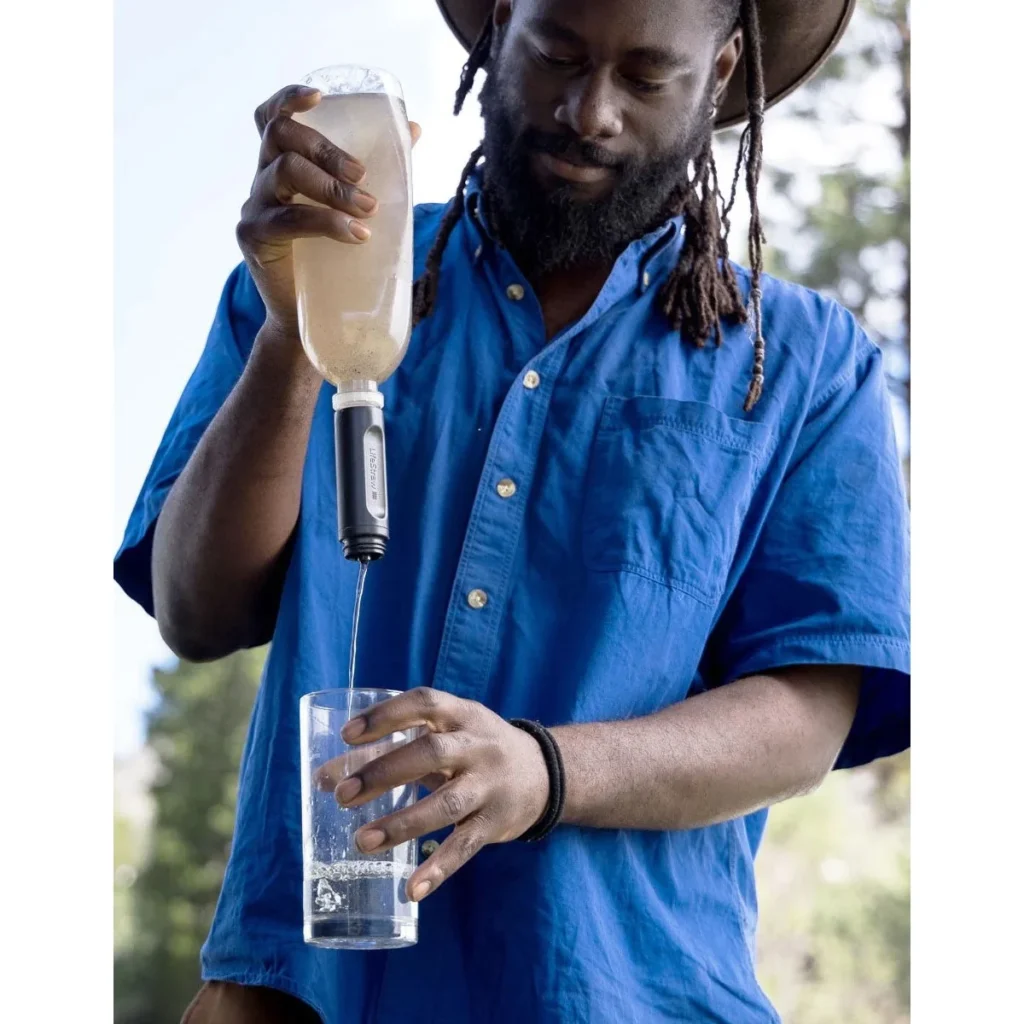
- LifeStraw Peak
- Coming soon – Sawyer filtration system

 WhatsApp Us
