
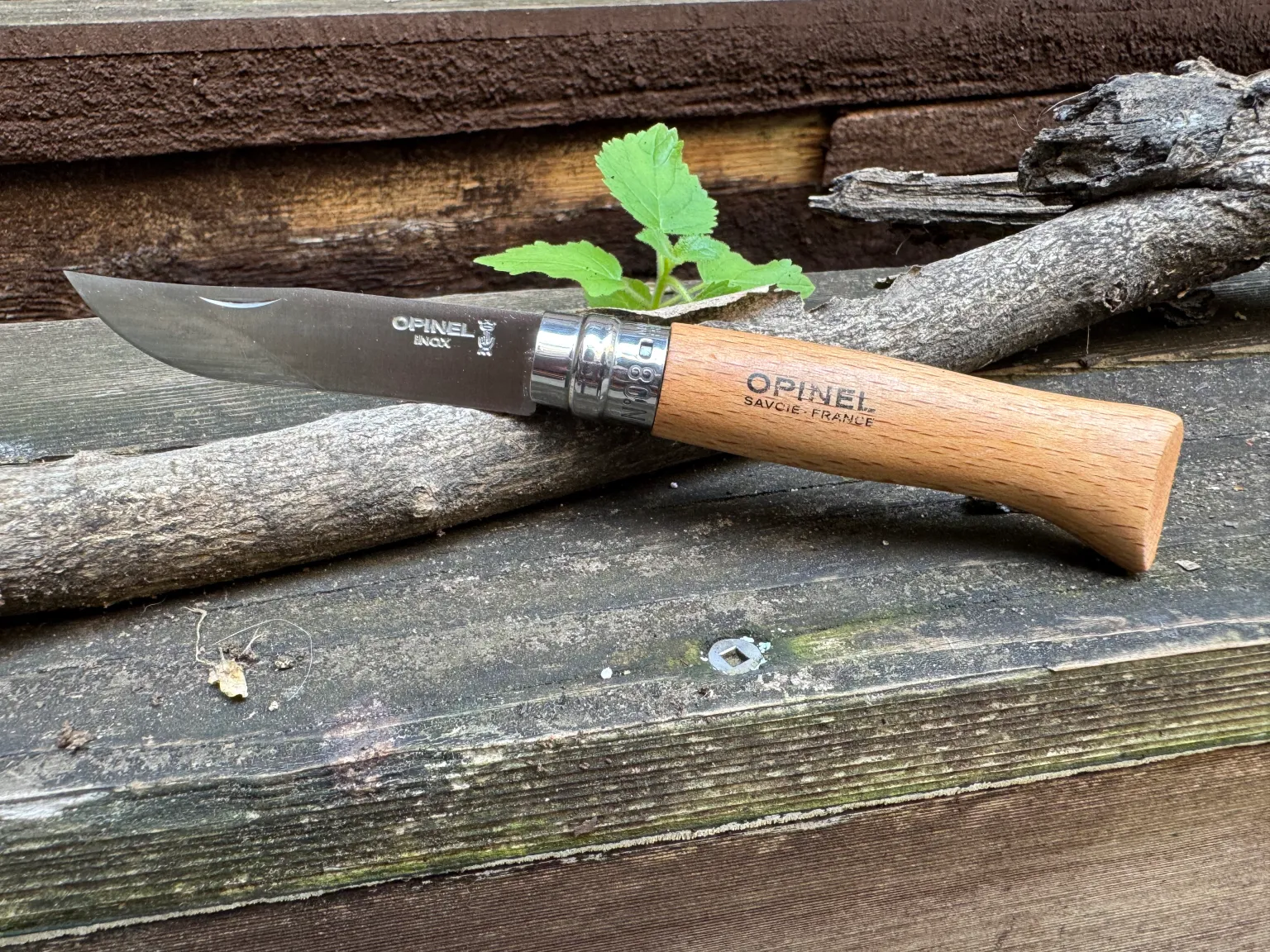
Why Outdoor Enthusiasts Like The Opinel Knives
Outdoor people, or for that matter, various other knife fans, like the Opinel Knife range not only because it is lightweight, very sharp, highly affordable and simple to use. But also because there resides 135 years of craftsmanship behind this brand. And this is very visible when you visit France and take note of what the local farmer, or outdoor person carries with them…
135 Years of Craftsmanship
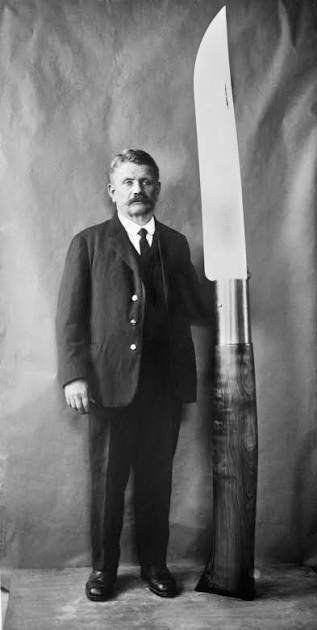
Joseph Opinel crafted the first modern Opinel knife in 1890. He was primed to start a knife company. His father, Daniel, already owned and operated a blade manufacturer tucked into the French Alps. Joseph made the first Opinel prototype in the corner of his father’s workshop, and history took care of the rest. These days, Opinel knives are still manufactured in the French Alps, and it’s still a family affair. The brand’s Chambéry HQ—a blade-shaped building, funnily enough—where François Opinel, the current brand president and great-grandson of Joseph is in charge of this brand.
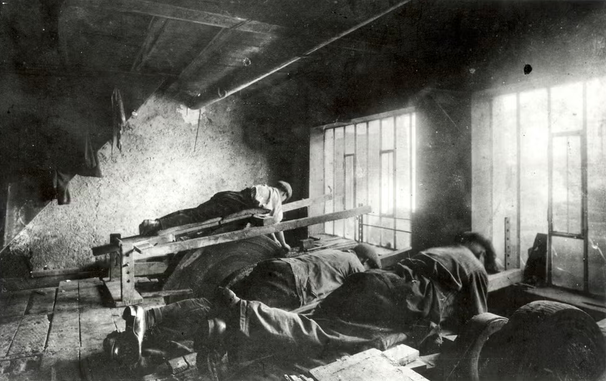
The factory balances art and automation, human touch and clever engineering. This allows the knives to still be wholly made in France. And sell for a reasonable price (the No. 8 sells for an affordable £10). While the company can invest in its workforce. The factory is like a Rube Goldberg machine of French craftsmanship.
Key Reasons Outdoor Enthusiasts Choose Opinel
- Lightweight Design: Most models weigh barely an ounce, making them ideal for backpackers and hikers who want to save weight.
- Exceptional Cutting Power: The thin, flat-ground blade slices through food, rope, and wood with minimal effort. With a specific aim and use in the Outdoor Kitchen!
- Low Cost: These knives are very inexpensive. So losing or damaging one on the trail is not a major financial loss.
- Easy Maintenance: The steel blade is easy to sharpen using basic pocket stones in the wilderness.
- Classic Locking System: The Virobloc safety ring locks the blade securely open during use or closed during transport.
There is obviously a short-off “type” of person that prefer the Look & Feel of an Opinel blade. And it carries something similar like the Joseph Rodger knives and those “older” type of pocket knife. Let’s call it a Classic folding pocket knife… but one thing one must not forget is you can own a part of French Culture.
A Certified Piece of French Culture
he French are famously protective of their language. They have an official committee— L’Académie Française—consisting of 40 members who. They are known as “the immortals” and issue the official rules of what can be included in the French language. Among its more recent controversial debates, the Americanism “blue jeans” was recently accepted. Opinel had no such controversy. The brand was entered into the French dictionary in 1989. It means a knife—or more specifically, “a folding knife featuring a wooden haft with a groove in which the blade is inserted when the knife is closed.” There is even a Opinel museum, with Maxime Opinel, great-grandnephew of Joseph as the current director of the Museum
Opinel is so ingrained into the historical tapestry of the region that the knife maker has highway signs. Otherwise relegated to natural wonders and ancient cathedrals. There are giant sculptures of Opinel knives. As if dropped from the pockets of giants, in the middle of roundabouts and skate parks. They’re votive shrines to these $20 knives. This makes sense, from a part of the country where the tradition still exists of a grandfather handing his knife down to his grandchild. The knife is a kind of cathedral you can hold in your hand.
The Opinel Today
You will find not only new applications (designs of use) for the new Opinel fan. From specific use to combinations that makes sense… And all this still at a reasonable price point. An example of this is the Oyster knife – with a focus on sorting shell fish… than you get guys that modify the various knives…
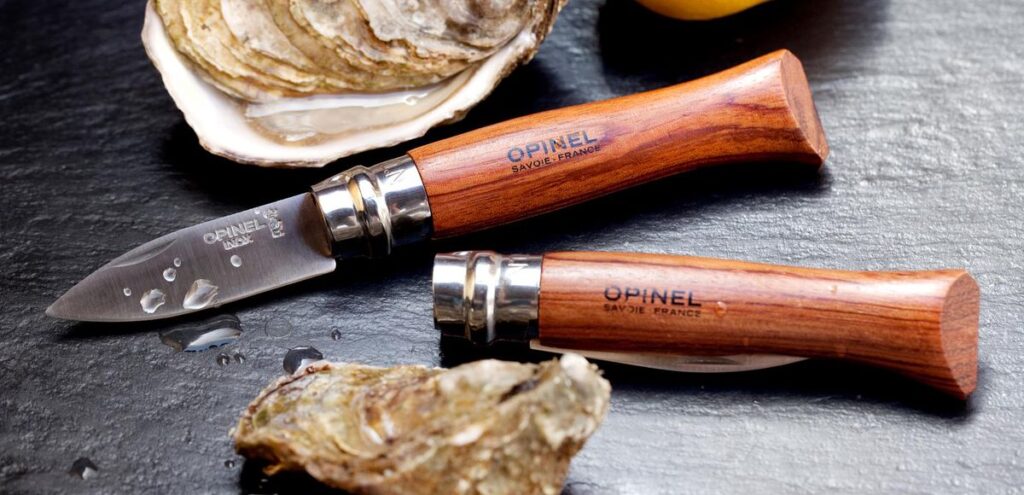
On the modification side, guys will change the color of the handle or even at times re-shape it. The blades, except for the normal petina that will happen with the Carbon blades, some will even play-around with coloring these. Either via applying certain acids to various other ingenious methods and options… for example, sharpening the Oyster knife blade.
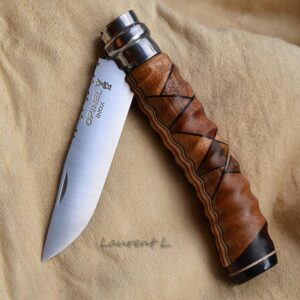
There is even some people that will reshape the blade, the handle and apply color changes to the wood, which can make for very exciting looking knives. The fact that these knives are so simple to take apart makes this a hobby of many people and can bring forward beautiful variations of Opinel Knives.
The combinations of supplied options in terms of their outdoor use can be seen on our website, and we can possibly get other variations of Opinel’s as made by them on order, like the pruning application, or saw, when & if these are in stock… so chat to us if these is an interest:
Email: info@edc-s.co.za
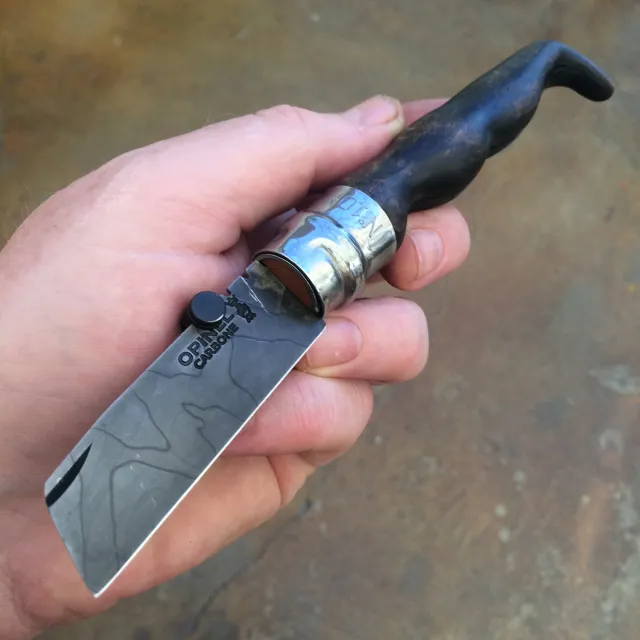
Modification of any kind is unfortunately not in our wheelhouse, but this will be for your own imagination and workmanship.
OUR OPINEL RANGE: click HERE

 WhatsApp Us
